Introduction to Risk Management Fundamentals
Risk Management Fundamentals is one of the most practical approaches for traders on Binomo. 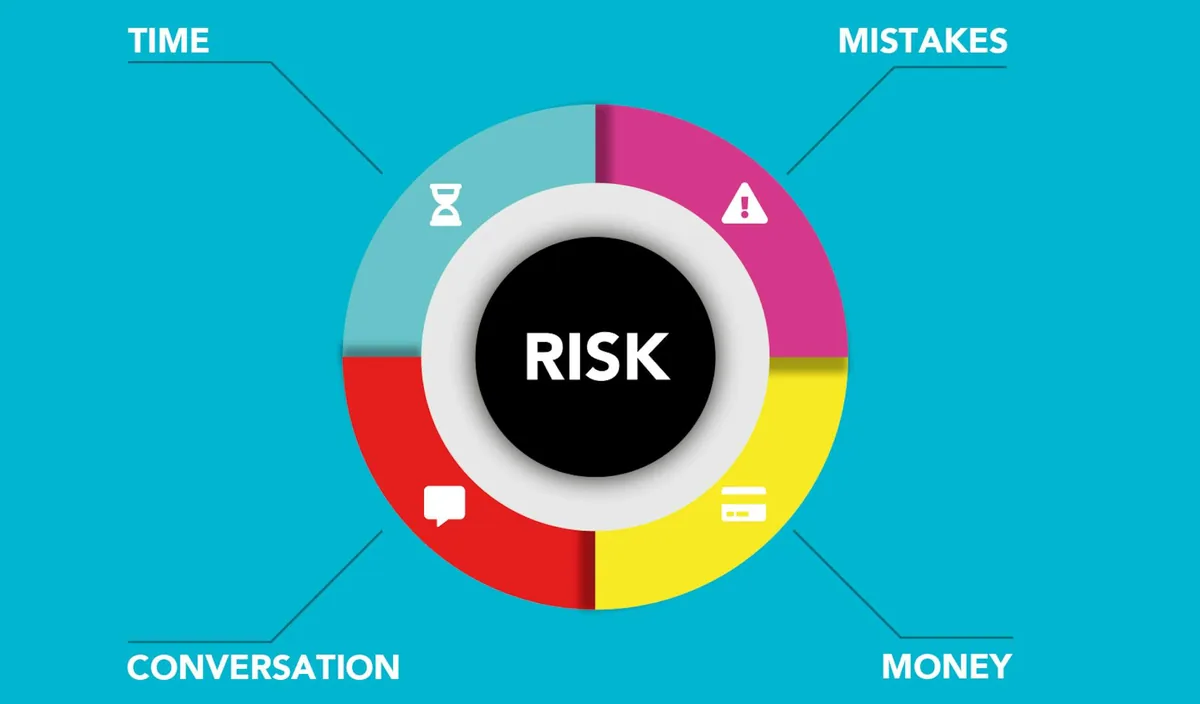 Learn more on Binomo.

Risk Management Fundamentals are essential to any trader’s toolkit, especially in binary options trading where the stakes can be high and the outcomes binary. Understanding the principles behind risk management can mean the difference between protecting your capital and suffering significant losses. In this guide, we will explore why risk management is critical in binary options trading, highlight common pitfalls traders face without proper risk controls, and provide an overview of key concepts such as position sizing and loss limits.
Risk Management Fundamentals: Why risk management is critical in binary options trading
Binary options trading is inherently high-risk due to its all-or-nothing payoff structure. Without solid risk management fundamentals, traders expose themselves to large drawdowns that can wipe out accounts quickly. Effective risk management helps preserve trading capital, enabling consistent participation in the markets and the opportunity to capitalize on well-analyzed trades.
Common pitfalls without proper risk controls
Many traders fall into the trap of risking too much on single trades, chasing losses, or ignoring stop-loss principles. These behaviors often lead to emotional decision-making and rapid account depletion. Without position sizing and loss limits, traders are vulnerable to significant financial damage and psychological stress.
Overview of position sizing and loss limits
Position sizing refers to determining the appropriate amount of capital to allocate to each trade relative to your total account balance. Loss limits are pre-set thresholds that cap how much you are willing to lose in a day or on a single trade. Together, these tools form the backbone of disciplined trading, helping to control risk and protect your portfolio.
Understanding Position Sizing in Binary Options

Risk Management Fundamentals include mastering position sizing, which directly impacts your trading outcomes. Position sizing is not just about how much you invest per trade but managing exposure to align with your risk tolerance and trading strategy.
Defining position sizing and its impact on trading outcomes
Position sizing determines the stake you place on each binary option contract. Proper sizing ensures that no single loss can severely damage your account, allowing for longevity and consistent performance. Over-sizing positions can lead to rapid losses, while under-sizing may limit profit potential.
Methods to calculate optimal position size
Common methods for calculating position size include fixed fractional, fixed dollar amount, and volatility-based sizing. For example, a fixed fractional method might risk 1-2% of your total capital per trade. This approach balances risk and reward, keeping losses manageable while allowing for growth.
Examples of position sizing strategies on Binomo
On the Binomo trading platform, you can easily adjust your trade amount before entering a position. For instance, if your account balance is $1,000, setting a position size of $10 (1%) aligns with conservative risk management. Experimenting with different sizes during demo trading can help find your optimal approach.
Setting Effective Loss Limits

Another pillar of Risk Management Fundamentals is setting effective loss limits, which serve as protective barriers against excessive drawdowns.
What are loss limits and why they matter
Loss limits are predefined thresholds that limit the amount of capital you can lose within a specific timeframe or per trade. They prevent emotional trading and help maintain discipline by forcing you to stop trading when losses exceed your risk tolerance.
Daily and trade-based loss limit approaches
Daily loss limits cap your total losses for the day, while trade-based limits restrict losses on individual trades. For example, a daily loss limit might be set at 5% of your capital, after which you cease trading to reassess your strategy. This approach helps avoid the common pitfall of chasing losses.
Psychological benefits of adhering to loss limits
Adhering to loss limits reduces stress and emotional decision-making. It fosters a disciplined mindset, encouraging traders to accept losses as part of the game and preventing impulsive behavior that can lead to bigger setbacks.
Integrating Position Sizing with Loss Limits
Risk Management Fundamentals become truly powerful when position sizing and loss limits are integrated into a cohesive risk control system.
How combined risk controls improve trading discipline
Using both position sizing and loss limits enforces strict capital preservation rules, ensuring that losses remain manageable and that trading decisions are rational rather than emotional. This combination helps maintain consistency and confidence in your trading approach.
Adjusting position sizes based on loss limits
If you hit your daily loss limit early, it’s a signal to reduce position sizes or pause trading. Conversely, if your losses are well below limits, you might cautiously consider adjusting sizes within your risk parameters. Dynamic adjustment keeps risk aligned with market conditions and account performance.
Case studies demonstrating integrated risk management
Consider a trader using the Binomo trading platform who sets a 2% position size and a 5% daily loss limit. After a couple of losing trades, they hit the daily loss threshold and stop trading, preserving capital for the next day. This disciplined approach prevents emotional overtrading and promotes a sustainable trading career.
How to trade this on Binomo trading platform
Applying Risk Management Fundamentals on the Binomo trading platform is straightforward and essential for success.
Step-by-step guide to setting position sizes on Binomo
1. Log into your Binomo account.
2. Choose the asset you want to trade.
3. Select your trade amount carefully, adhering to your position sizing rule (e.g., 1-2% of your balance).
4. Confirm and place your trade.
Configuring loss limits within the Binomo interface
While Binomo does not have an automatic loss limit feature, you can manually set daily or trade loss limits by keeping track of your trades and stopping when you reach your threshold. Using a trading journal or external tracking tools is advisable.
Risk notes: Managing emotions and avoiding overtrading
Remember, even with proper position sizing and loss limits, emotional discipline is crucial. Avoid chasing losses or increasing trade sizes impulsively. 🚀 Ready to test this strategy? Sign up for a free Demo Account on Binomo today to practice these risk management fundamentals without financial exposure.
Advanced Risk Management Tips for Binary Options
Once you master the basics of Risk Management Fundamentals, consider advanced techniques to refine your approach.
Using technical indicators to refine risk exposure
Incorporate indicators like Moving Averages, MACD, and RSI to identify optimal entry points and reduce risk exposure. For an in-depth look at these indicators, visit our Complete Guide to Technical Analysis Indicators for Binomo Trading.
Diversifying trades to mitigate risk
Don’t put all your capital into a single asset or strategy. Spread your trades across different assets and timeframes to reduce the impact of adverse movements.
When to adjust risk parameters based on market conditions
Market volatility and trends change; adjust your position sizes and loss limits accordingly. For example, during high volatility, consider reducing position sizes or tightening loss limits to manage increased risk.
Common Mistakes in Risk Management and How to Avoid Them
Even experienced traders can slip into poor risk management habits. Recognizing and correcting these mistakes is vital.
Ignoring position sizing rules
Risking too much on a single trade can lead to catastrophic losses. Always stick to your predefined position sizing strategy.
Overlooking loss limits leading to large drawdowns
Failing to stop trading after hitting loss limits invites emotional trading and further losses. Respect your limits to protect your capital.
Emotional trading versus disciplined risk control
Letting emotions drive your trades rather than following your risk management plan undermines your trading success. Discipline is your best defense.
Conclusion: Building a Sustainable Trading Approach with Binomo
Mastering Risk Management Fundamentals is indispensable for anyone serious about binary options trading. By applying disciplined position sizing and strict loss limits, you protect your capital and create a foundation for long-term trading success.
Recap of key risk management fundamentals
We covered why risk management is critical, explored position sizing and loss limits in detail, and showed how integrating these controls enhances trading discipline.
Long-term benefits of disciplined position sizing and loss limits
Consistent application of these principles helps avoid large drawdowns, reduces emotional stress, and fosters a sustainable trading career.
Encouragement to apply these strategies consistently
Start incorporating these risk management fundamentals on the Binomo trading platform today. For a complete tutorial on platform setup and indicator use, check out our Ultimate Binomo Platform Guide. For additional insights on trend trading, see Mastering Trend Trading with Candlestick Confirmation. For more on risk and trading concepts, visit Investopedia Risk Management. 🚀 Ready to test this strategy? Sign up for a free Demo Account on Binomo today and put these risk management fundamentals into practice without risking real money.
Disclaimer: This article is for informational purposes only and does not constitute financial advice. Always consult a qualified financial professional before making investment decisions.