Understanding Risk Management in Binary Options Trading
Risk Management Checklist: practical note
Risk Management Checklist is one of the most practical approaches for traders on Binomo.  Learn more on Binomo.
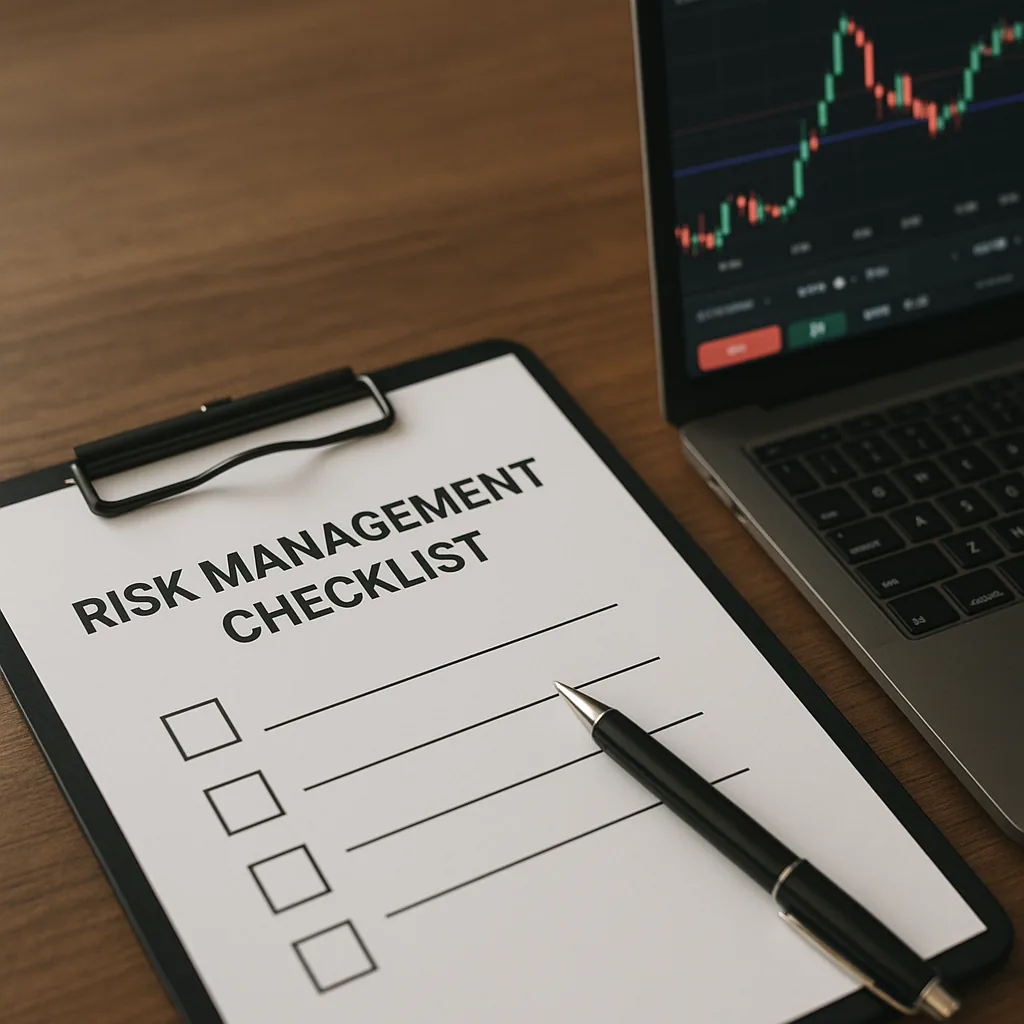
The Risk Management Checklist is a crucial foundation for any trader aiming to succeed in binary options trading, especially on platforms like Binomo. Understanding what risk entails and how to control it can mean the difference between consistent profits and heavy losses.
Why Risk Management Checklist Matters
Risk management is not just a safety net; it is an active tool that preserves your trading capital and ensures longevity in the market. Without proper risk controls, even the most promising strategies can fail due to emotional decision-making and unexpected market shifts. The Binomo trading platform provides features that help implement risk management, but knowing what to do with them is key.
Common Risks in Binomo Trading
Binary options trading on Binomo involves risks such as market volatility, timing errors, and psychological biases. Rapid price movements can lead to unexpected losses, and the fixed expiry times require precise execution. Recognizing these risks upfront allows traders to prepare and adapt their strategies accordingly.
The Role of Discipline and Psychology
Discipline underpins successful risk management. Sticking to your Risk Management Checklist and avoiding impulsive trades helps mitigate emotional pitfalls like revenge trading or overconfidence. Psychological resilience is as important as technical knowledge in maintaining long-term profitability.
Key Components of an Effective Risk Management Checklist
Implementing a thorough Risk Management Checklist ensures you control your exposure and safeguard your investments while trading on the Binomo trading platform.
Risk Management Checklist: Setting Realistic Profit and Loss Targets
Start by defining clear, attainable profit and loss limits per trade and per trading session. This prevents chasing unrealistic gains and helps manage expectations. For example, setting a maximum loss limit of 2% of your capital per trade keeps risks manageable and preserves your bankroll.
Risk Management Checklist: Determining Optimal Trade Size
Trade size should never be arbitrary. Use a fixed percentage of your total capital—often between 1-5%—to limit losses. This approach aligns with professional risk management standards and prevents catastrophic drawdowns.
Risk Management Checklist: Establishing Stop-Loss and Take-Profit Levels
While binary options don’t have traditional stop-loss orders, you can set mental or system-based limits to exit losing trades early or secure profits before expiry. The Binomo platform allows you to analyze charts and indicators to decide these levels effectively.
Technical Indicators to Support Risk Management Checklist
Incorporating technical indicators into your Risk Management Checklist enhances decision-making by providing data-driven entry and exit points on Binomo.
Risk Management Checklist: Using Moving Averages for Entry and Exit Points
Moving averages smooth out price data and help identify trends. Using short-term and long-term moving averages together can signal optimal times to enter or exit trades, reducing guesswork and controlling risk.
Risk Management Checklist: RSI and Overbought/Oversold Conditions
The Relative Strength Index (RSI) indicates momentum by measuring overbought or oversold conditions. Trading against extreme RSI values can help avoid entering trades at poor timing, an essential part of a solid Risk Management Checklist.
Risk Management Checklist: Bollinger Bands for Volatility Assessment
Bollinger Bands measure market volatility and potential price reversals. When prices hit the bands, it signals possible changes in direction, helping you decide when to tighten risk controls or avoid risky trades.
How to Trade This on Binomo Trading Platform
Applying the Risk Management Checklist effectively requires understanding how to set up and execute it on the Binomo trading platform.
Risk Management Checklist: Step-by-Step Setup of Risk Parameters on Binomo
Begin by setting your trade amount according to your risk tolerance. Use the platform’s charting tools to apply moving averages, RSI, and Bollinger Bands indicators. Determine your profit/loss limits before opening any trade to stay disciplined.
Risk Management Checklist: Implementing the Risk Management Checklist During Live Trades
Stick to your pre-defined trade size and targets. Monitor your trades actively and avoid emotional decisions. Use the indicators to confirm if the market conditions align with your strategy before committing.
Risk Management Checklist: Risk Notes: Managing High-Risk Trades Effectively
Some trades may carry higher risk due to market volatility or news events. In these cases, reduce trade size or avoid trading altogether. Remember, protecting your capital is more important than chasing risky rewards.
🚀 Ready to test this strategy? Sign up for a free Demo Account on Binomo today.
Common Mistakes to Avoid in Risk Management Checklist
Avoiding pitfalls is critical to maintaining a functional Risk Management Checklist and long-term trading success.
Risk Management Checklist: Overtrading and Ignoring Limits
Overtrading wears down your capital and mental focus. Stick to your daily trade limits and do not increase trade size impulsively after losses or wins.
Risk Management Checklist: Neglecting Market Conditions
Failing to adapt your Risk Management Checklist to changing market dynamics leads to unnecessary losses. Always incorporate technical analysis and news awareness into your decisions.
Risk Management Checklist: Failing to Review and Adjust the Checklist
Markets evolve, and so should your risk management. Regularly review your trade performance and update your checklist accordingly.
Advanced Risk Management Checklist Techniques for Experienced Traders
For seasoned traders, enhancing the Risk Management Checklist with advanced techniques can further improve profitability on Binomo.
Risk Management Checklist: Hedging Strategies on Binomo
Hedging involves opening opposing trades to limit potential losses. While complex, it can be effective in volatile markets when used judiciously.
Risk Management Checklist: Diversification Across Assets
Spread your risk by trading multiple assets rather than concentrating on one. Binomo offers various instruments, so diversify to reduce exposure.
Risk Management Checklist: Using Trailing Stops to Lock in Profits
Though traditional trailing stops aren’t available in binary options, you can simulate them by adjusting your exit strategy based on indicator signals to protect gains.
Monitoring and Reviewing Your Risk Management Checklist Performance
Continuous improvement is vital. Use these methods to refine your Risk Management Checklist and trading outcomes.
Risk Management Checklist: Keeping a Trading Journal
Document every trade with details on entry, exit, indicators used, and outcomes. This habit reveals patterns and mistakes.
Risk Management Checklist: Analyzing Win/Loss Ratios
Review your success rates and risk/reward ratios to identify if your checklist needs tightening or relaxation.
Risk Management Checklist: Adjusting Your Checklist Based on Results
Based on your analysis, update your checklist to optimize trade size, targets, and indicator usage. Flexibility is key to adapting to market changes.
For a deeper dive into indicator-based strategies, check out our Binomo Indicator Playbook. Beginners can also benefit from the Beginner’s Guide to Opening Trades and Risk Management on Binomo. For comprehensive technical analysis techniques, visit our Binomo Technical Analysis Tutorial.
For more on risk management principles, see the detailed explanation on Investopedia.
Disclaimer: This article is for informational purposes only and does not constitute financial advice. Always consult a qualified financial professional before making investment decisions.
For authoritative definitions, review: official source.