Introduction to Binomo Technical Analysis
Binomo Technical Analysis: practical note
Binomo Technical Analysis is one of the most practical approaches for traders on Binomo.  Learn more on Binomo.
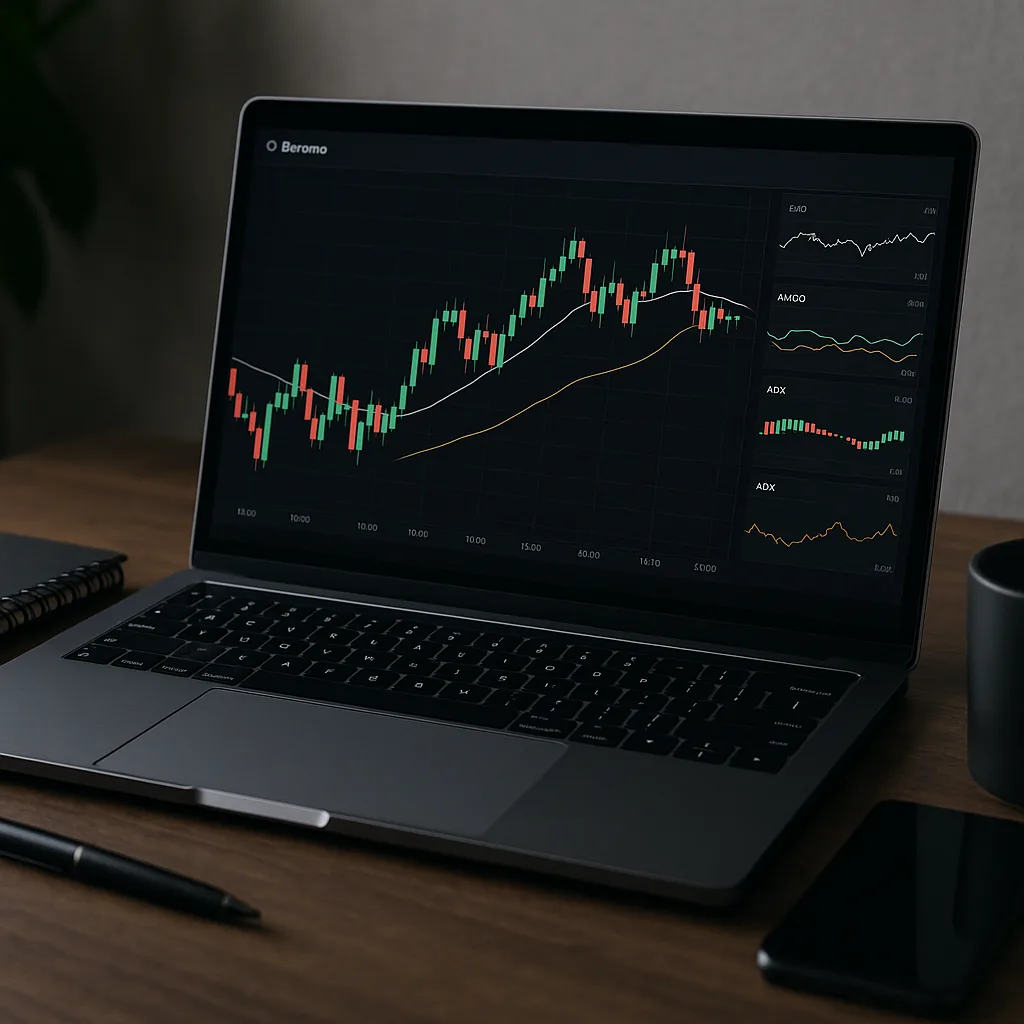
Binomo Technical Analysis is essential for traders aiming to understand market movements and make informed decisions on the Binomo trading platform. This method relies on analyzing price charts, candlestick formations, and technical indicators to predict future price actions.
What is Technical Analysis in Binomo Technical Analysis?
Technical analysis is the study of historical price data and volume to forecast market trends. Unlike fundamental analysis, it does not consider the intrinsic value of assets but focuses on chart patterns and indicators, helping traders identify potential entry and exit points.
Why Use Technical Analysis on Binomo? Benefits
Using technical analysis on Binomo allows traders to capitalize on short-term price movements in binary options trading. It offers a systematic approach to trading, reducing guesswork and increasing the chances of consistent trades by interpreting market signals effectively. It helps in recognizing these signals with precision.
Overview of Key Concepts: Charts, Candles, Indicators
The backbone of technical analysis involves three main components: charts that display price movements over time, candlestick patterns which reveal market sentiment, and technical indicators that provide momentum, trend, and strength insights.
Understanding Different Types of Charts on Binomo Technical Analysis
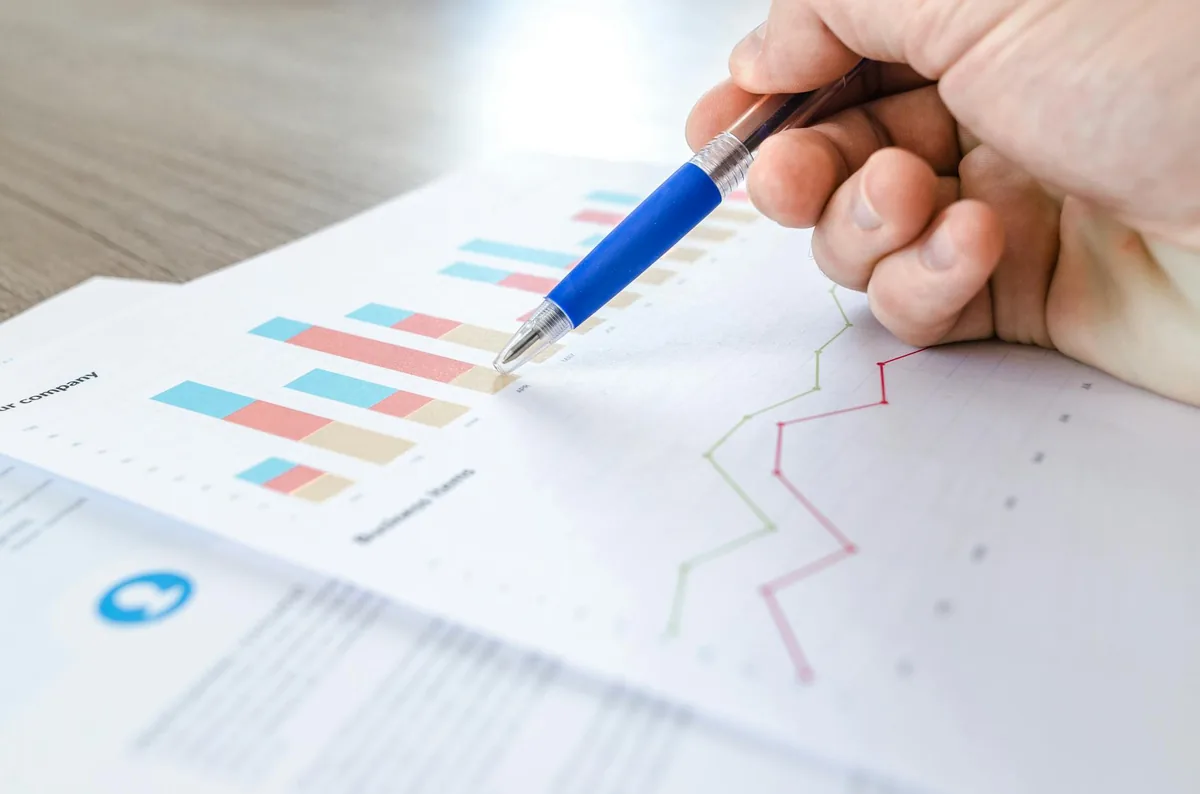
Line Charts: Basics and Uses
Line charts are the simplest form of price representation, connecting closing prices over time with a continuous line. They help traders identify overall trends but lack detailed information about price action within each period. Incorporating techniques enhances the interpretation of these charts.
Bar Charts: Structure and Interpretation
Bar charts give more detail than line charts by showing opening, closing, high, and low prices for each time interval. This allows traders to gauge price volatility and market sentiment more precisely.
Candlestick Charts: Patterns and Significance
Candlestick charts are the most popular among Binomo traders because they visually depict the battle between buyers and sellers. Each candle shows open, high, low, and close prices, forming patterns that signal potential market reversals or continuations.
Mastering Candlestick Patterns for Better Trade Decisions
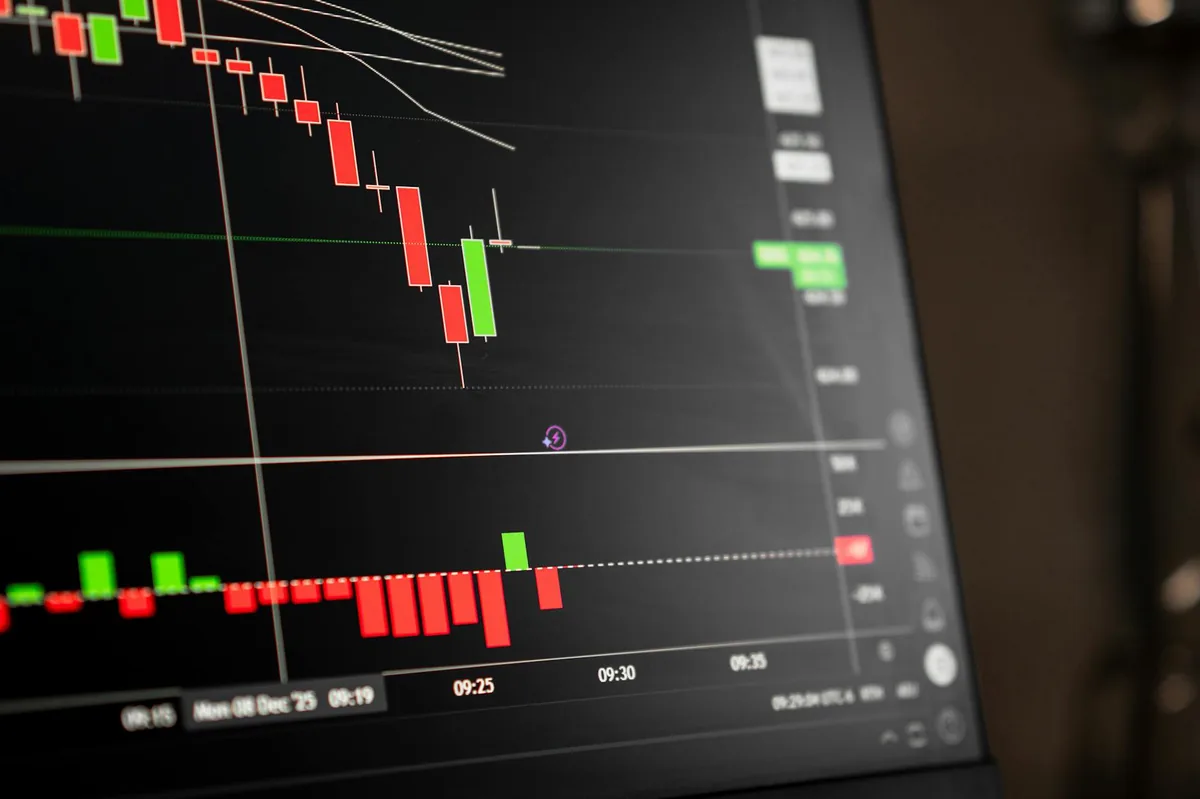
Common Bullish and Bearish Candlestick Patterns
Recognizing bullish patterns like the Hammer and Engulfing or bearish patterns such as the Shooting Star and Dark Cloud Cover is crucial. These formations often indicate potential trend reversals or continuation, guiding traders on when to act.
How to Identify Reversal and Continuation Patterns
Reversal patterns suggest a change in trend direction, while continuation patterns imply the existing trend will persist. Mastering these distinctions helps traders avoid premature entries and capitalize on sustained moves. It plays a key role in this identification process.
Using Candlestick Patterns to Time Entries and Exits
Timing trades based on candlestick patterns involves waiting for confirmation signals, such as a strong closing candle or volume surge, to reduce false signals and improve trade accuracy.
Key Technical Indicators to Use on Binomo Technical Analysis
Moving Averages: Simple and Exponential
Moving averages smooth out price data to highlight trends. The Simple Moving Average (SMA) calculates the average price over a period, while the Exponential Moving Average (EMA) gives more weight to recent prices, making it more responsive.
Relative Strength Index (RSI): Overbought and Oversold Signals
RSI measures momentum by comparing recent gains to losses. Values above 70 indicate overbought conditions, while below 30 suggest oversold markets, signaling potential reversals.
MACD: Trend and Momentum Analysis
The Moving Average Convergence Divergence (MACD) indicator shows the relationship between two EMAs and helps identify trend direction and momentum shifts, offering reliable trade signals.
How to Combine Charts, Candles, and Indicators for Consistent Trades
Creating a Trading Setup Using Multiple Tools
Combining candlestick patterns with moving averages and RSI can create robust trading setups. For example, a bullish engulfing candle confirmed by an EMA crossover and RSI moving out of oversold territory increases trade confidence.
Confirming Signals to Reduce False Entries
Relying on multiple indicators and chart patterns for confirmation helps filter out noise and avoid false entries, improving the consistency of your trades on the Binomo trading platform.
Risk Management Strategies in Technical Analysis on Binomo
Effective risk management includes setting stop-loss levels, managing trade sizes, and not overtrading. Technical analysis should guide risk decisions, ensuring losses are controlled and capital preserved.
How to trade this on Binomo trading platform
Step 1: Setting Up Your Chart and Indicators on Binomo
Start by opening the Binomo trading platform and selecting your preferred asset. Customize your chart by choosing candlestick view and adding key indicators like EMA, RSI, and MACD from the built-in indicator menu. For detailed platform navigation, see our Complete Binomo Platform Guide. Techniques are integrated into these tools to enhance your trading strategy.
Step 2: Reading Candles and Identifying Patterns in Real-Time
Observe live price movements and watch for recognizable candlestick patterns such as hammers or engulfing candles. Use these in conjunction with indicator signals to validate potential trade opportunities.
Step 3: Executing Trades Based on Technical Signals
Once your analysis aligns—confirmed by chart patterns and indicators—place your binary option trade on Binomo. Always apply proper risk management and consider market conditions before execution. 🚀 Ready to test this strategy? Sign up for a free Demo Account on Binomo today.
Common Mistakes to Avoid When Using Technical Analysis on Binomo
Overtrading and Ignoring Risk Management
One of the biggest pitfalls is overtrading without a clear plan or neglecting stop-losses, which can quickly erode your trading capital.
Relying Solely on One Indicator or Pattern
Dependence on a single indicator or candlestick pattern increases the risk of false signals. Always combine multiple tools to confirm trade setups.
Ignoring Market News and External Factors
Technical analysis does not operate in a vacuum. Ignoring economic news or geopolitical events can lead to unexpected market moves, so stay informed through reputable sources like Investopedia.
Advanced Tips for Improving Your Skills
Backtesting Strategies Using Historical Data
Test your trading strategies against historical price data to evaluate their effectiveness before committing real capital.
Keeping a Trading Journal for Continuous Improvement
Document every trade, including entry and exit reasons, results, and emotions. This practice helps identify strengths and weaknesses over time.
Adapting to Market Conditions and Volatility
Markets evolve, so adjust your technical analysis approach according to changing volatility and trends to maintain an edge. Skills are crucial for adapting effectively.
Conclusion and Next Steps
Summary of Key Takeaways
Mastering technical analysis involves understanding charts, candlestick patterns, and indicators, combining them for reliable trade signals, and managing risk carefully.
How to Continue Learning and Practicing
Keep refining your skills by studying advanced strategies, practicing on demo accounts, and staying updated with market developments.
Encouragement to Use Binomo Trading Platform for Practice
Binomo trading platform offers an intuitive interface and built-in tools perfect for practicing technical analysis. Explore our Step-by-Step Binomo Technical Analysis Tutorial and How to Use Built-In Indicators on Binomo guides to enhance your trading journey.
Disclaimer: This article is for informational purposes only and does not constitute financial advice. Always consult a qualified financial professional before making investment decisions.
For authoritative definitions, review: official source.