Introduction to Binomo Technical Analysis
Binomo Technical Analysis: practical note
Binomo Technical Analysis is one of the most practical approaches for traders on Binomo.  Learn more on Binomo.

Binomo Technical Analysis is essential for traders who want to make informed decisions in the fast-paced world of binary options. Understanding how to read and interpret market data through technical indicators can significantly enhance your trading edge. In this tutorial, we’ll cover the fundamentals of technical analysis on the Binomo trading platform, focusing on candlestick patterns, moving averages, and the Relative Strength Index (RSI) — three powerful tools every trader should master.
What is Technical Analysis in Binary Options?
Technical analysis is the study of past market data, primarily price and volume, to forecast future price movements. In binary options trading, it helps predict whether an asset’s price will rise or fall within a set timeframe. Unlike fundamental analysis, which looks at economic factors, technical analysis relies on charts and indicators to identify trends and potential entry points. Binomo Technical Analysis provides a structured approach to this process.
Why Use Binomo Technical Analysis on Binomo?
Binomo offers a user-friendly platform with built-in technical tools that make it accessible for both beginners and experienced traders. Using Binomo Technical Analysis on Binomo allows you to systematically approach trades rather than relying on guesswork. This structured method helps improve your chances of success and manage risks more effectively. Mastering Binomo Technical Analysis techniques can give you a significant advantage.
Overview of Key Indicators: Candlesticks, Moving Averages, RSI
The core of Binomo Technical Analysis revolves around three indicators: candlestick charts, moving averages (both SMA and EMA), and RSI. Candlesticks reveal price action and market sentiment. Moving averages smooth out price data to highlight trends. RSI measures the speed and change of price movements, indicating overbought or oversold conditions. Mastering these tools will give you a solid foundation for binary options trading.
Understanding Candlestick Patterns in Binomo Technical Analysis
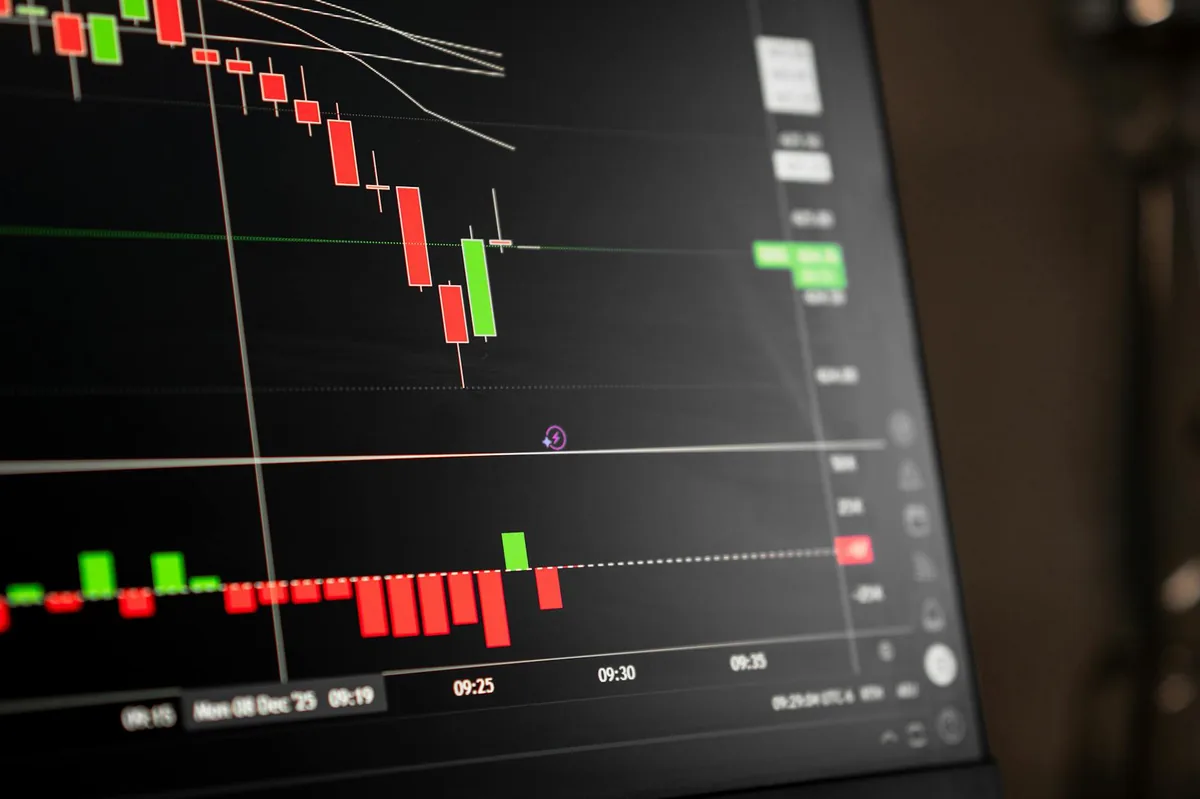
Basics of Candlestick Charts in Binomo Technical Analysis
Candlestick charts display price movements within a specific time period, showing the open, high, low, and close prices. Each candlestick has a body and wicks (shadows) that provide insights into market behavior. Green or white bodies typically indicate bullish movement, while red or black bodies indicate bearish movement.
Common Candlestick Patterns for Binary Options in Binomo Technical Analysis
Recognizing patterns such as Doji, Hammer, Engulfing, and Shooting Star can help predict potential reversals or continuations in price. For example, a Hammer pattern at a support level may signal a bullish reversal, while an Engulfing Bearish pattern might suggest a downtrend.
How to Interpret Candlestick Signals in Binomo Technical Analysis
Interpreting candlestick signals requires context. Confirm patterns with volume and other indicators like moving averages or RSI to avoid false signals. Candlesticks form the first layer of analysis in your Binomo Technical Analysis toolkit, offering visual cues to market sentiment and momentum.
Mastering Moving Averages with Binomo Technical Analysis

Types of Moving Averages: SMA vs EMA in Binomo Technical Analysis
Simple Moving Average (SMA) calculates the average price over a set period, giving equal weight to all data points. Exponential Moving Average (EMA) gives more weight to recent prices, making it more responsive to new information. Both have their uses depending on your trading style.
Using Moving Averages to Identify Trends in Binomo Technical Analysis
Moving averages help identify the direction of the trend. An upward sloping MA indicates a bullish trend, while a downward sloping MA signals a bearish trend. Price crossing above or below an MA can be a signal to enter or exit trades.
Combining Moving Averages for Entry and Exit Points in Binomo Technical Analysis
Using two moving averages of different lengths (e.g., 10-period EMA and 50-period SMA) allows traders to spot crossovers. A bullish crossover (short-term MA crossing above long-term MA) may suggest a buy signal, while a bearish crossover could indicate a sell signal. This strategy complements candlestick analysis for more precise trade timing.
Applying the Relative Strength Index (RSI) in Binomo Technical Analysis
What is RSI and How It Works in Binomo Technical Analysis
The Relative Strength Index (RSI) is a momentum oscillator that measures the speed and change of price movements on a scale of 0 to 100. It helps identify overbought or oversold conditions, signaling potential reversals.
Using RSI to Detect Overbought and Oversold Conditions in Binomo Technical Analysis
An RSI above 70 typically indicates that an asset is overbought, suggesting a possible price decline. Conversely, an RSI below 30 suggests oversold conditions, implying a potential price increase. Traders use these signals to time entries and exits effectively.
Integrating RSI with Other Indicators for Confirmation in Binomo Technical Analysis
Combining RSI with candlestick patterns and moving averages reduces the risk of false signals. For example, a bullish candlestick pattern paired with an RSI below 30 strengthens the case for a call option. This multi-indicator approach is central to robust Binomo Technical Analysis.
How to trade this on Binomo trading platform
Step-by-Step Setup of Indicators on Binomo for Binomo Technical Analysis
On the Binomo trading platform, start by selecting your asset and timeframe. Then add candlestick charts from the chart settings. Next, apply moving averages by choosing SMA or EMA and set your preferred periods (e.g., 10 and 50). Finally, add the RSI indicator and set the default period to 14 for optimal results. These steps are key to effective Binomo Technical Analysis.
Executing Trades Based on Combined Signals in Binomo Technical Analysis
Look for confirmation across indicators—such as a bullish candlestick pattern, a moving average crossover, and RSI signaling oversold conditions—before placing a trade. This alignment increases the probability of success. Remember to select the appropriate expiry time that matches your analysis timeframe.
Risk Management Tips and Common Pitfalls in Binomo Technical Analysis
Even with strong signals, risk management is crucial. Never risk more than a small percentage of your capital on a single trade. Avoid overtrading and chasing losses. Be aware of market news that could cause volatility beyond technical signals. For detailed strategies and risk management, see our Best Working Binomo Binary Options Strategies.
Advanced Tips for Enhancing Your Binomo Technical Analysis
Using Multiple Time Frames for Better Accuracy in Binomo Technical Analysis
Analyze higher time frames to identify the overall trend and lower time frames for precise entry points. This multi-timeframe analysis reduces noise and improves trade timing on Binomo.
Backtesting Your Binomo Technical Analysis Strategy on Historical Data
Test your combined indicator strategy on past price data to evaluate its effectiveness before risking real money. Binomo’s demo account is perfect for this purpose. 🚀 Ready to test this strategy? Sign up for a free Demo Account on Binomo today.
Adjusting Indicators for Different Market Conditions in Binomo Technical Analysis
Markets may be trending or ranging. Adjust moving average periods and RSI thresholds accordingly to maintain accuracy. For example, use shorter MAs in volatile markets and longer MAs in stable trends.
Common Mistakes to Avoid in Binomo Technical Analysis
Ignoring Market Context in Binomo Technical Analysis
Don’t rely solely on indicators without considering broader market conditions or news events. Context matters and can invalidate technical signals.
Overtrading Based on False Signals in Binomo Technical Analysis
Not every signal leads to a winning trade. Avoid entering trades impulsively and wait for proper confirmation from multiple indicators.
Neglecting Proper Risk Management in Binomo Technical Analysis
Failing to set stop-losses or risking too much on a single trade can quickly erode your capital. Always use sound money management principles.
Conclusion and Next Steps in Binomo Technical Analysis
Summary of Key Takeaways on Binomo Technical Analysis
Binomo Technical Analysis combines candlesticks, moving averages, and RSI to create a comprehensive trading approach. Mastering these tools helps you identify trend direction, market momentum, and optimal entry/exit points.
How to Continue Improving Your Binomo Technical Analysis Trading Skills
Practice regularly on the Binomo demo account and refine your strategy based on results. Stay updated with market news and continue learning from advanced tutorials and trading communities.
Additional Resources and Tutorials on Binomo Pro Trading
For more in-depth strategies and platform tutorials, explore Binomo Binary Options Strategies That Actually Work and our Complete Binomo Deposit and Withdrawal Guide. For further understanding of technical analysis concepts, see the Investopedia Technical Analysis article.
Utilize the Binomo trading platform to apply these insights and enhance your binary options trading experience.
Disclaimer: This article is for informational purposes only and does not constitute financial advice. Always consult a qualified financial professional before making investment decisions.
For authoritative definitions, review: official source.