Introduction to Binomo Technical Analysis
Binomo Technical Analysis: practical note
Binomo Technical Analysis is one of the most practical approaches for traders on Binomo.  Learn more on Binomo.
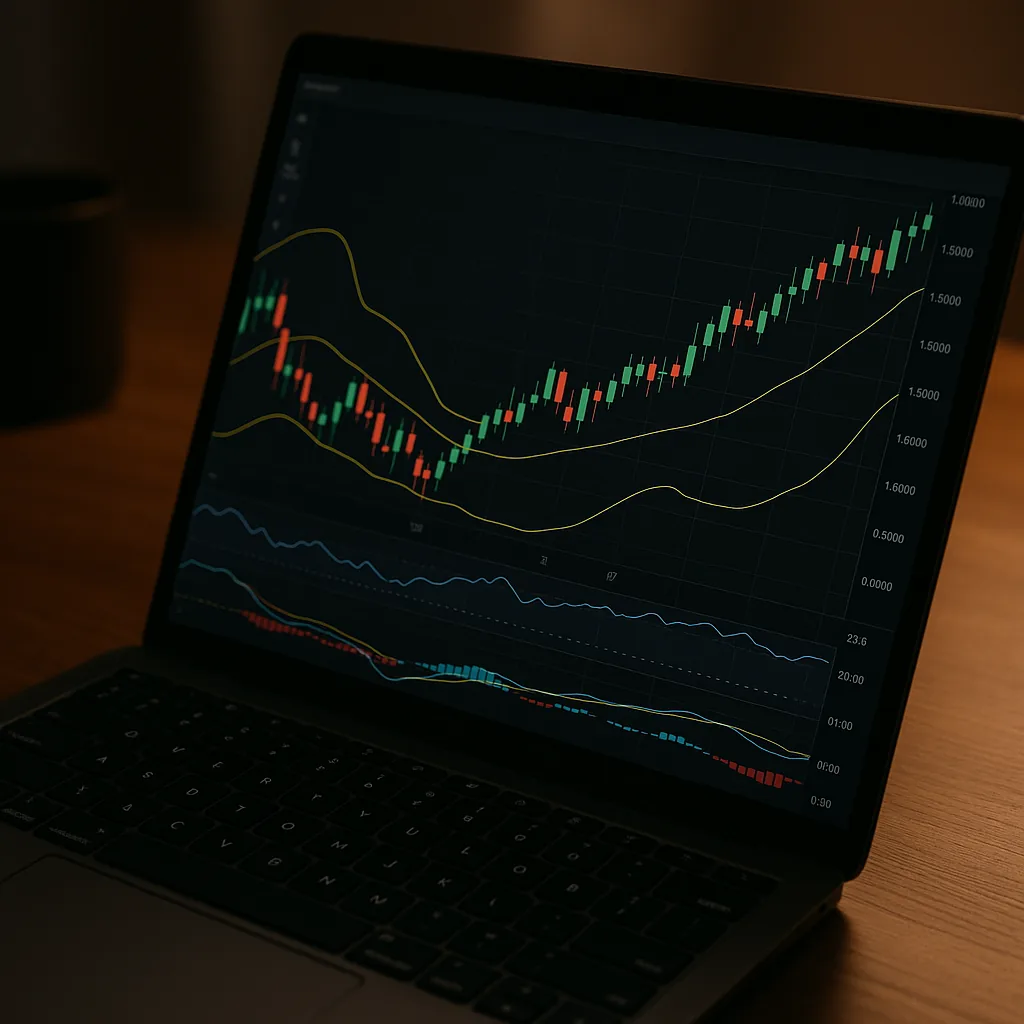
Binomo Technical Analysis is essential for traders aiming to improve their binary options strategies by interpreting market data through charts and indicators. Understanding how to read price movements and signals can significantly enhance your trading decisions on the Binomo trading platform.
What is Technical Analysis in Binary Options?
Technical analysis involves studying historical price data and market statistics to predict future price movements. Unlike fundamental analysis, it focuses solely on price charts, volume, and technical indicators without considering external factors like company performance. Binomo Technical Analysis helps traders apply these concepts effectively.
Why Use Technical Analysis on Binomo?
Using technical analysis on Binomo allows traders to identify trends, reversals, and potential entry and exit points with greater accuracy. It aligns well with the short-term nature of binary options, enabling quick decision-making based on real-time data.
Overview of Candlestick Patterns and Indicators
Candlestick patterns visually represent price movements over a set period, revealing market sentiment. Indicators such as Moving Averages, RSI, and MACD provide quantitative insights to confirm these patterns, helping traders make informed decisions.
Understanding Candlestick Patterns
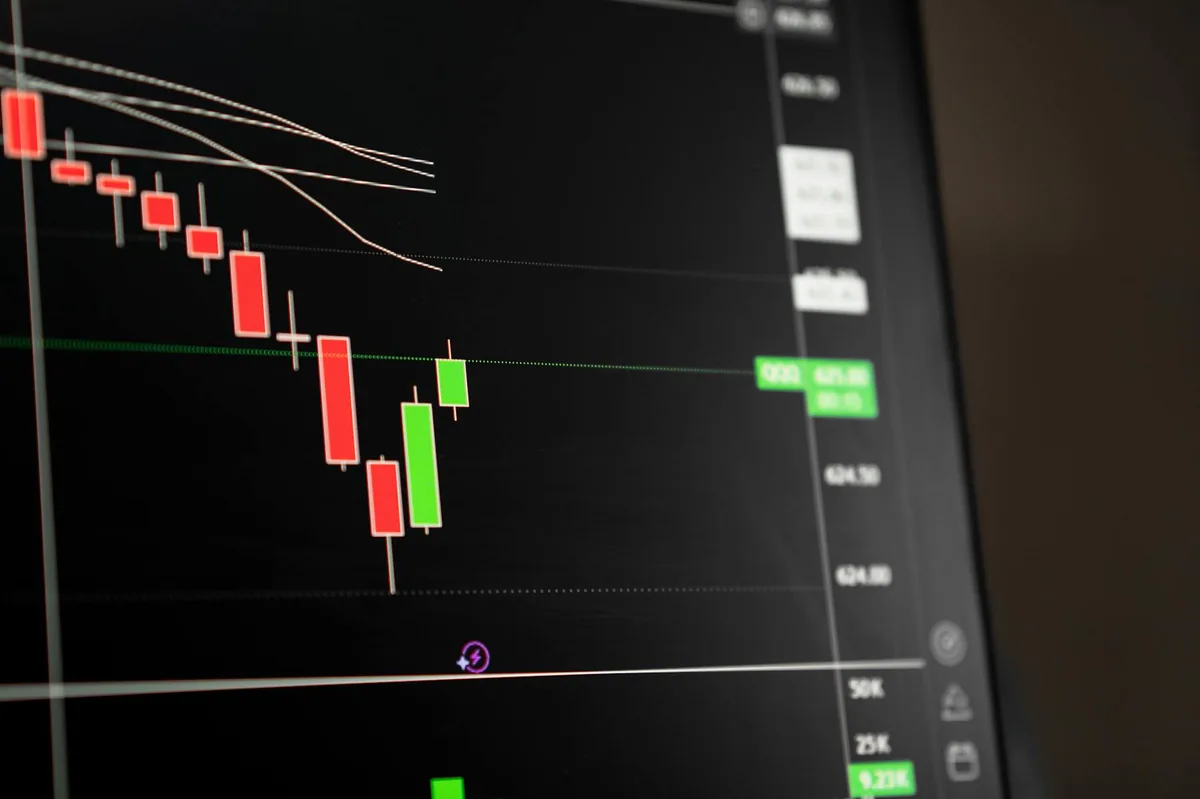
Basic Candlestick Structure and Terminology
A candlestick consists of a body and wicks (shadows) showing open, close, high, and low prices within a timeframe. The body’s color indicates bullish (price up) or bearish (price down) momentum.
Common Reversal Patterns: Doji, Hammer, Engulfing
Reversal patterns like Doji (indecision), Hammer (potential bullish reversal), and Engulfing (strong reversal signal) help identify when a trend might change direction. Recognizing these can alert traders to potential market shifts.
Trend Continuation Patterns: Flags, Pennants, and More
Patterns such as Flags and Pennants indicate temporary pauses before the current trend continues. Spotting these can help traders stay aligned with the prevailing market momentum.
Key Technical Indicators for Binary Options
Moving Averages: Simple and Exponential
Moving Averages smooth price data to highlight trends. Simple Moving Averages (SMA) calculate the average price over a period, while Exponential Moving Averages (EMA) give more weight to recent prices, making them more responsive.
Relative Strength Index (RSI) Explained
RSI measures the speed and change of price movements to identify overbought or oversold conditions. Values above 70 suggest overbought markets; below 30 indicate oversold conditions, signaling potential reversals.
MACD: How to Use It for Entry and Exit Points
MACD (Moving Average Convergence Divergence) uses two EMAs to signal momentum shifts. Crossovers and divergences between MACD and price action help determine optimal entry and exit points.
Combining Candlestick Patterns with Indicators
Confirming Signals for Higher Accuracy
Binomo Technical Analysis becomes more reliable when candlestick patterns are confirmed with indicators like RSI or MACD. For example, a bullish engulfing pattern paired with an RSI below 30 strengthens the buy signal.
Avoiding False Signals
Relying on a single signal can lead to false entries. Combining multiple indicators and checking market context reduces the risk of losses.
Creating a Simple Trading Strategy
One effective strategy is to wait for a reversal candlestick pattern confirmed by RSI divergence and execute trades accordingly. This approach balances simplicity with accuracy, suitable for Binomo’s fast-paced environment.
How to trade this on Binomo trading platform
Setting Up Your Chart with Candlestick Patterns and Indicators
On the Binomo trading platform, start by selecting the candlestick chart type. Add key indicators like SMA, RSI, and MACD from the indicator menu. Customize timeframes to suit your trading style. Binomo Technical Analysis tools are integrated to support this process.
Step-by-Step Trade Execution Process
Identify a trading signal using your combined analysis. Choose the asset and expiration time, enter the trade direction (Call or Put), and set your investment amount. Confirm the trade and monitor its progress.
Risk Management Tips and Important Notes
Always limit your investment per trade to a small percentage of your capital. Avoid chasing losses and use stop-loss principles where possible. Remember, no strategy guarantees profits—discipline is key.
🚀 Ready to test this strategy? Sign up for a free Demo Account on Binomo today.
Common Mistakes to Avoid in Binomo Technical Analysis
Overtrading Based on Single Signals
Acting on isolated signals without confirmation can lead to frequent losses. Patience and confirmation are vital.
Ignoring Market Context and News
Technical analysis should be complemented by awareness of major economic events. Unexpected news can invalidate technical signals.
Neglecting Proper Risk Management
Failing to manage risk can wipe out profits quickly. Always use disciplined position sizing and avoid emotional trading.
Advanced Tips for Improving Your Technical Analysis Skills
Backtesting Your Strategies on Historical Data
Test your strategies on past market data available on Binomo or other platforms. This helps identify strengths and weaknesses before risking real capital.
Using Multiple Time Frames for Confirmation
Analyze higher and lower timeframes to confirm trends and signals, increasing the reliability of your trades.
Continuous Learning and Adaptation
Markets evolve; stay updated with new tools and methods. Resources like Investopedia’s technical analysis guide can deepen your knowledge.
Conclusion and Next Steps
Summary of Key Takeaways
Binomo Technical Analysis combines candlestick patterns and indicators to identify high-probability trades. Confirming signals and managing risk are essential for success.
How to Keep Improving with Binomo
Practice regularly on Binomo’s Demo Account, refine your strategies, and learn from each trade to build confidence and skill.
Encouragement to Practice on the Binomo Trading Platform
With the Binomo trading platform’s user-friendly tools and features, mastering technical analysis is within reach. 🚀 Ready to test this strategy? Sign up for a free Demo Account on Binomo today.
For more detailed strategies, check out our Binomo Technical Analysis for Binary Options guide and the Best Working Binomo Binary Options Strategies.
Disclaimer: This article is for informational purposes only and does not constitute financial advice. Always consult a qualified financial professional before making investment decisions.
Frequently Asked Questions about Binomo Technical Analysis
How does Binomo Technical Analysis guide long-term planning?
Binomo Technical Analysis keeps investors aligned with measurable objectives, helping them compare new opportunities against existing allocation rules without emotional bias.
What risks should traders consider when applying Binomo Technical Analysis?
Market volatility, policy shocks, and liquidity constraints can magnify losses if Binomo Technical Analysis is used without scenario analysis or diversification buffers.
How can newer investors start using Binomo Technical Analysis effectively?
Documenting goals, benchmarking current holdings, and reviewing performance monthly empowers traders to apply Binomo Technical Analysis gradually while learning from data-driven feedback loops.
Which indicators reinforce confidence in Binomo Technical Analysis?
Economic growth trends, rate expectations, and sector-level earnings reports often validate whether Binomo Technical Analysis remains aligned with the broader investing climate.
Binomo Technical Analysis pros and cons
The strengths of Binomo Technical Analysis include a clear framework for assessing portfolio resilience, easier communication with stakeholders, and more consistent allocation updates.
The drawbacks of relying on Binomo Technical Analysis surface when data inputs become outdated or when investors ignore qualitative signals, which can delay necessary adjustments.
For authoritative definitions, review: official source.