Understanding Risk Management in Binary Options
Risk Management Checklist: practical note
Risk Management Checklist is one of the most practical approaches for traders on Binomo.  Learn more on Binomo.
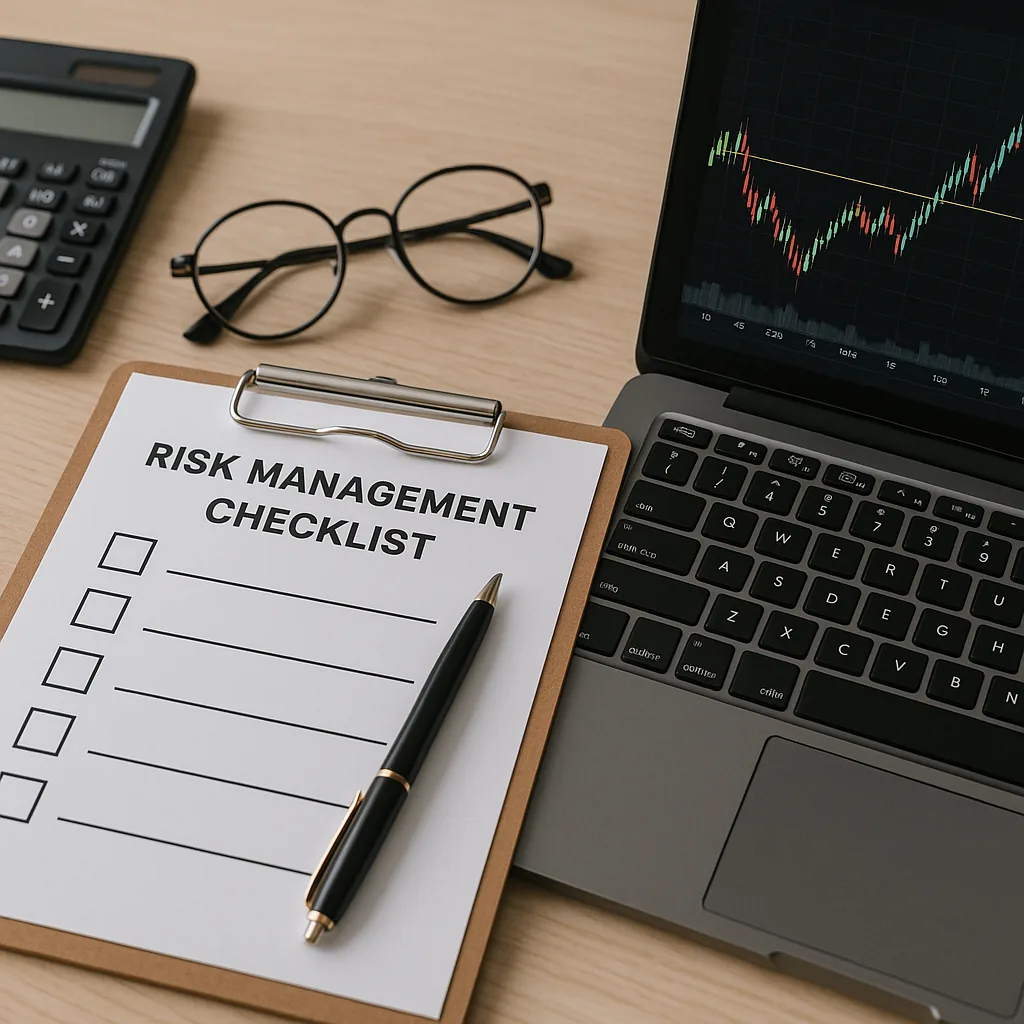
The Risk Management Checklist is essential for anyone serious about succeeding in binary options trading, especially on the Binomo trading platform. Understanding risk management means recognizing the potential pitfalls and preparing strategies to protect your capital and maximize your trading longevity.
Why Risk Management Checklist Matters
Risk management is the backbone of any sustainable trading strategy. Without it, traders expose themselves to devastating losses that can wipe out their accounts quickly. For binary options, where outcomes are all-or-nothing, managing risk ensures that no single trade or series of trades jeopardizes your entire portfolio.
Common Risks in Binary Options Trading
Binary options trading carries unique risks such as market volatility, timing errors, and emotional decision-making. Additionally, the fixed payout structure means that poor risk practices can lead to repeated losses without recovery opportunities. Understanding these risks is vital to implementing an effective risk management checklist.
Key Principles of Effective Risk Management Checklist
Effective risk management involves setting clear rules around investment size, diversifying trades, and maintaining discipline. It requires constant evaluation of market conditions and personal psychological control to adhere to your strategy without succumbing to impulsive moves.
Essential Components of the Risk Management Checklist

The core of the Risk Management Checklist involves practical steps that protect your trading capital from excessive losses while enabling consistent growth on the Binomo platform.
Setting Realistic Investment Limits in Risk Management Checklist
Determining how much capital to risk per trade is fundamental. A good rule of thumb is to risk no more than 1-2% of your total trading capital on a single option. This limits exposure and preserves funds for future opportunities.
Determining Optimal Trade Sizes in Risk Management Checklist
Trade size should correlate with the confidence level of your analysis and market volatility. Smaller trade sizes during uncertain market conditions help mitigate risk, while larger sizes may be reserved for high-probability setups.
Establishing Stop-Loss and Take-Profit Rules in Risk Management Checklist
Though binary options don’t have traditional stop-loss orders, setting mental limits on losses and profits per trading session prevents emotional trading and helps lock in gains or cut losses early.
Technical Indicators to Support Risk Management

Incorporating technical indicators into your Risk Management Checklist can enhance your decision-making on the Binomo trading platform by signaling optimal entry and exit points.
Using Moving Averages to Identify Trends in Risk Management Checklist
Moving averages smooth out price data to reveal prevailing trends. Trading in the direction of the trend reduces risk by aligning with market momentum.
Implementing RSI for Overbought/Oversold Signals in Risk Management Checklist
The Relative Strength Index (RSI) helps identify when assets are overbought or oversold, signaling potential reversals and helping avoid entering trades at unfavorable points.
Bollinger Bands for Volatility Assessment in Risk Management Checklist
Bollinger Bands measure market volatility and price levels relative to recent averages. Understanding volatility helps adjust trade sizes and timing, reducing the chance of unexpected losses.
Psychological Discipline and Emotional Control
Maintaining psychological discipline is a critical part of the Risk Management Checklist. Emotional control prevents impulsive decisions that can lead to significant losses.
Avoiding Overtrading and Revenge Trading in Risk Management Checklist
Overtrading and revenge trading often result from frustration or greed. Recognizing these tendencies and sticking to your checklist prevents compounding losses.
Maintaining Patience and Consistency in Risk Management Checklist
Patience allows you to wait for the best setups according to your strategy. Consistency in applying your risk rules builds long-term profitability.
Recognizing and Managing Trading Biases in Risk Management Checklist
Common biases like confirmation bias or loss aversion can cloud judgment. Regular self-assessment and adherence to your checklist help mitigate these risks.
How to trade this on Binomo trading platform
Applying the Risk Management Checklist effectively requires familiarity with the Binomo trading platform’s features and settings.
Step-by-Step Setup of Risk Parameters on Binomo in Risk Management Checklist
Start by setting your investment limits per trade within your Binomo account. Use the platform’s tools to monitor your open trades and adhere to your predetermined stop-loss mental limits. For guidance, check the Step-by-Step Binomo Tutorial: How to Open and Manage Trades.
Applying the Risk Management Checklist During Live Trades
Before entering any trade, verify that it meets your checklist criteria including risk size, market condition, and indicator confirmation. Stick to your plan regardless of emotions.
Risk Notes: Managing High-Risk Binary Options in Risk Management Checklist
Binary options are inherently high-risk. Use the checklist to recognize when the risk outweighs the potential reward and avoid trades that do not meet your criteria.
Monitoring and Adjusting Your Risk Management Strategy
Continuous monitoring and adjustment are key to maintaining an effective Risk Management Checklist that adapts to changing market conditions.
Tracking Performance Metrics in Risk Management Checklist
Keep detailed records of your trades to analyze win/loss ratios, average returns, and risk exposure. This data-driven approach highlights what works and what needs improvement.
Adapting to Market Changes in Risk Management Checklist
Markets evolve, so your checklist must be flexible. Adjust your risk parameters and indicator settings as volatility and trends shift.
When to Revise Your Checklist in Risk Management Checklist
Revise your checklist after significant drawdowns, changes in market environment, or when new trading tools become available to ensure ongoing effectiveness.
Common Mistakes to Avoid in Risk Management
Even experienced traders fall prey to common mistakes that undermine risk management efforts.
Ignoring Risk Limits in Risk Management Checklist
Exceeding your set investment or loss limits often leads to catastrophic losses. Discipline is non-negotiable.
Chasing Losses in Risk Management Checklist
Trying to recover losses quickly by increasing trade size or taking impulsive trades usually worsens the situation.
Neglecting Market Analysis in Risk Management Checklist
Skipping thorough market and indicator analysis before trades increases exposure to unpredictable risks.
Conclusion: Staying Safe and Profitable with Binomo
Summary of Key Takeaways in Risk Management Checklist
The Risk Management Checklist is your roadmap to disciplined, strategic binary options trading on Binomo. It combines realistic risk limits, technical indicators, emotional control, and continuous evaluation to protect your capital.
Long-Term Benefits of Risk Management Checklist
Consistent application of risk management strategies reduces losses, improves decision-making, and enhances your chance of long-term profitability in the high-risk world of binary options.
Encouragement to Practice and Improve
🚀 Ready to test this strategy? Sign up for a free Demo Account on Binomo today and start applying this checklist without risking your capital. Practice is the key to mastering risk management.
For more details on managing your funds effectively, see our Complete Guide to Deposits and Withdrawals on Binomo Platform and sharpen your technical skills with our Master Technical Analysis: Essential Indicators Guide for Binomo Traders.
For a broader understanding of trading risks and management principles, visit Investopedia’s Risk Management Overview.
Disclaimer: This article is for informational purposes only and does not constitute financial advice. Always consult a qualified financial professional before making investment decisions.
For authoritative definitions, review: official source.