Place Trades and Analyze Charts: Introduction to Binomo Trading Platform
Place Trades and Analyze Charts: practical note
Place Trades and Analyze Charts is one of the most practical approaches for traders on Binomo. 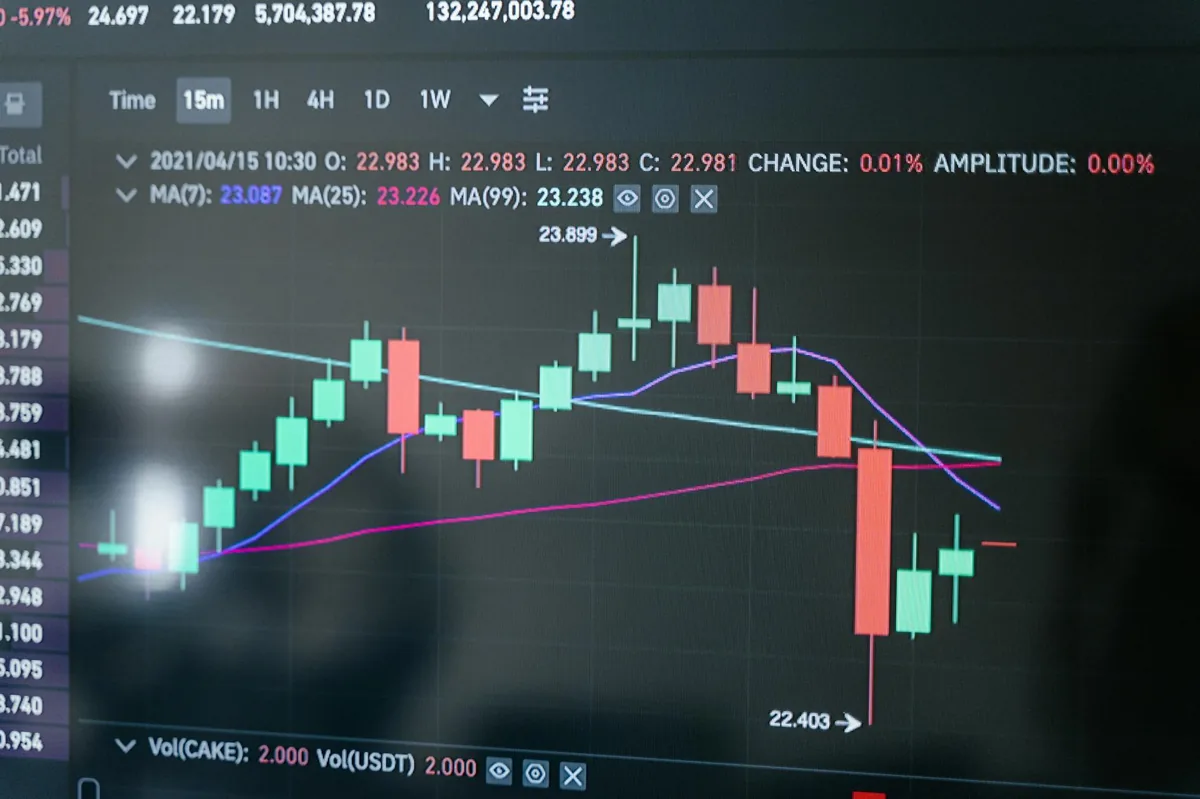 Learn more on Binomo.
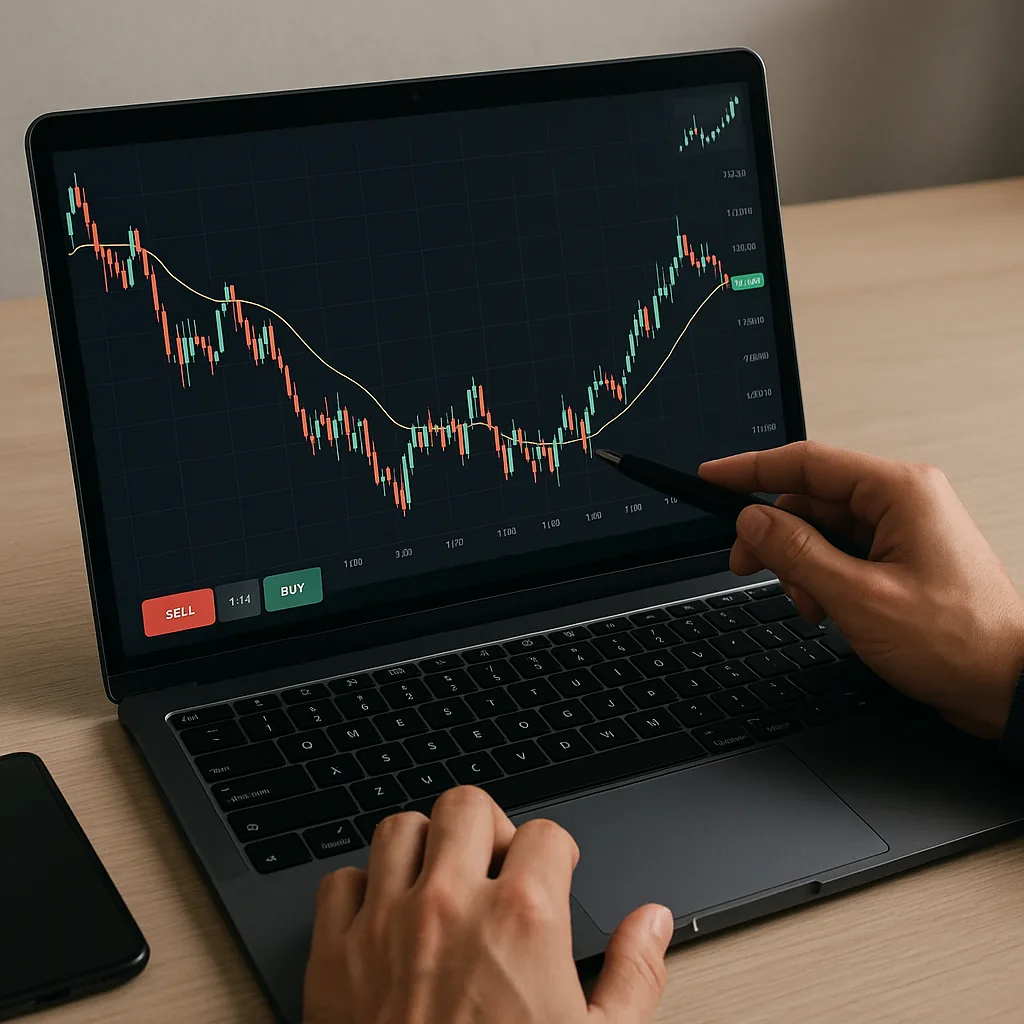
Place Trades and Analyze Charts — To successfully place trades and analyze charts, understanding the Binomo trading platform is essential..
Overview of Binomo features for Place Trades and Analyze Charts
Binomo trading platform provides a variety of assets including currencies, stocks, and commodities. It supports multiple chart types and technical indicators to help traders make informed decisions. The platform also offers demo accounts for risk-free practice. Place Trades and Analyze Charts is a key feature that enhances trading efficiency.
Why choose Binomo for binary options trading and Place Trades and Analyze Charts
Binomo stands out for its fast execution times, competitive payouts, and educational resources. Its intuitive design and responsive customer support create a reliable environment for high-risk trading strategies. Traders who Place Trades and Analyze Charts effectively can maximize their potential.
Understanding the user interface to Place Trades and Analyze Charts
The interface is designed to give quick access to asset selection, chart analysis tools, and trade execution panels all on one screen. Familiarity with the layout accelerates your ability to place trades and analyze charts efficiently. Mastering how to Place Trades and Analyze Charts is essential for success.
Setting Up Your Binomo Account

Registration process step-by-step
Begin by visiting the official Binomo website and clicking the sign-up button. Enter your email, create a password, and select your preferred currency. Confirm your registration via email to activate your account.
Account verification essentials
Verification involves submitting identification documents to comply with regulatory standards. This step ensures secure transactions and full access to platform features.
Funding your trading account
Binomo supports multiple deposit methods including credit cards, e-wallets, and bank transfers. Choose the option that suits you best and fund your account to start trading.
Basics of Placing Trades on Binomo

Selecting assets and expiry times for Place Trades and Analyze Charts
Choose an asset from the available list based on your market analysis. Then, select an expiry time that aligns with your trading strategy, whether short-term or longer horizons. Place Trades and Analyze Charts regularly to improve your skills.
Choosing trade amounts and directions
Decide the amount you want to risk on a trade. Next, predict the asset’s price movement direction – whether it will go up or down – and place your trade accordingly.
Understanding payout and risk
Binomo offers clear payout percentages before you trade, allowing you to calculate potential returns. Always assess the risk involved and never trade more than you can afford to lose. For detailed safety tips, see our Risk Management Checklist for Binomo Traders.
How to Analyze Charts on Binomo
Types of charts available (candlestick, line, bar) for Place Trades and Analyze Charts
Binomo provides candlestick, line, and bar charts. Candlestick charts are most popular due to their detailed price action representation, showing open, close, high, and low prices within a timeframe.
Basic chart reading techniques for Place Trades and Analyze Charts
Learn to identify trends, support and resistance levels, and chart patterns. Recognizing these elements helps predict future price movements more accurately.
Using timeframes effectively to Place Trades and Analyze Charts
Select timeframes that match your trading style. Short timeframes suit scalpers and short-term traders, while longer timeframes are better for swing or position trading. Place Trades and Analyze Charts with the right timeframe for best results.
Technical Indicators for Beginners
Introduction to Moving Averages
Moving averages smooth out price data to highlight trends. Simple Moving Average (SMA) and Exponential Moving Average (EMA) are commonly used to identify entry and exit points. For advanced strategies, explore our guide on Mastering Moving Averages and ADX for Binary Options on Binomo.
Using RSI for momentum analysis
The Relative Strength Index (RSI) measures momentum and identifies overbought or oversold conditions, helping traders decide when to enter or exit trades.
Applying Bollinger Bands for volatility
Bollinger Bands consist of a moving average with upper and lower bands that expand or contract based on volatility. They assist in spotting price breakouts or reversals.
How to Trade This on Binomo Trading Platform
Step 1: Log in and select your asset
Access your Binomo account and choose the asset you want to trade from the dashboard. Consider current market conditions before selection.
Step 2: Analyze the chart using indicators for Place Trades and Analyze Charts
Apply your preferred technical indicators such as moving averages or RSI to the chart. Evaluate the signals they provide to determine potential market direction.
Step 3: Set trade amount and expiry time
Decide how much to invest in the trade and select an appropriate expiry time. Confirm your trade direction and execute the order.
🚀 Ready to test this strategy? Sign up for a free Demo Account on Binomo today. Remember to Place Trades and Analyze Charts consistently to improve your trading outcomes.
Common Mistakes to Avoid When Trading on Binomo
Overtrading and emotional decisions
Trading too frequently or letting emotions dictate trades often leads to losses. Stick to your plan and avoid impulsive actions.
Ignoring risk management rules
Neglecting position sizing or daily loss limits can quickly deplete your capital. Refer to our Risk Management Checklist for Binomo Traders to stay disciplined.
Neglecting chart analysis
Failing to perform proper chart analysis before trading increases risk. Always use technical tools available on Binomo to inform your decisions.
Tips for Improving Your Trading Skills
Practice regularly with demo accounts
Use Binomo’s demo account to test strategies without risking real money. This builds confidence and refines your skills.
Keep a trading journal for Place Trades and Analyze Charts
Record your trades, strategies, and outcomes. Reviewing this journal helps identify strengths and weaknesses. Place Trades and Analyze Charts frequently to gather valuable data.
Stay updated with market news
Economic events and news impact asset prices. Follow reliable sources like Investopedia to stay informed.
Disclaimer: This article is for informational purposes only and does not constitute financial advice. Always consult a qualified financial professional before making investment decisions.
Frequently Asked Questions about Place Trades and Analyze Charts
How does Place Trades and Analyze Charts guide long-term planning?
Place Trades and Analyze Charts keeps investors aligned with measurable objectives, helping them compare new opportunities against existing allocation rules without emotional bias.
What risks should traders consider when applying Place Trades and Analyze Charts?
Market volatility, policy shocks, and liquidity constraints can magnify losses if Place Trades and Analyze Charts is used without scenario analysis or diversification buffers.
How can newer investors start using Place Trades and Analyze Charts effectively?
Documenting goals, benchmarking current holdings, and reviewing performance monthly empowers traders to apply Place Trades and Analyze Charts gradually while learning from data-driven feedback loops.
Which indicators reinforce confidence in Place Trades and Analyze Charts?
Economic growth trends, rate expectations, and sector-level earnings reports often validate whether Place Trades and Analyze Charts remains aligned with the broader investing climate.
Place Trades and Analyze Charts pros and cons
The strengths of Place Trades and Analyze Charts include a clear framework for assessing portfolio resilience, easier communication with stakeholders, and more consistent allocation updates.
The drawbacks of relying on Place Trades and Analyze Charts surface when data inputs become outdated or when investors ignore qualitative signals, which can delay necessary adjustments.
For authoritative definitions, review: official source.